Island Peak
- Home
- Island Peak
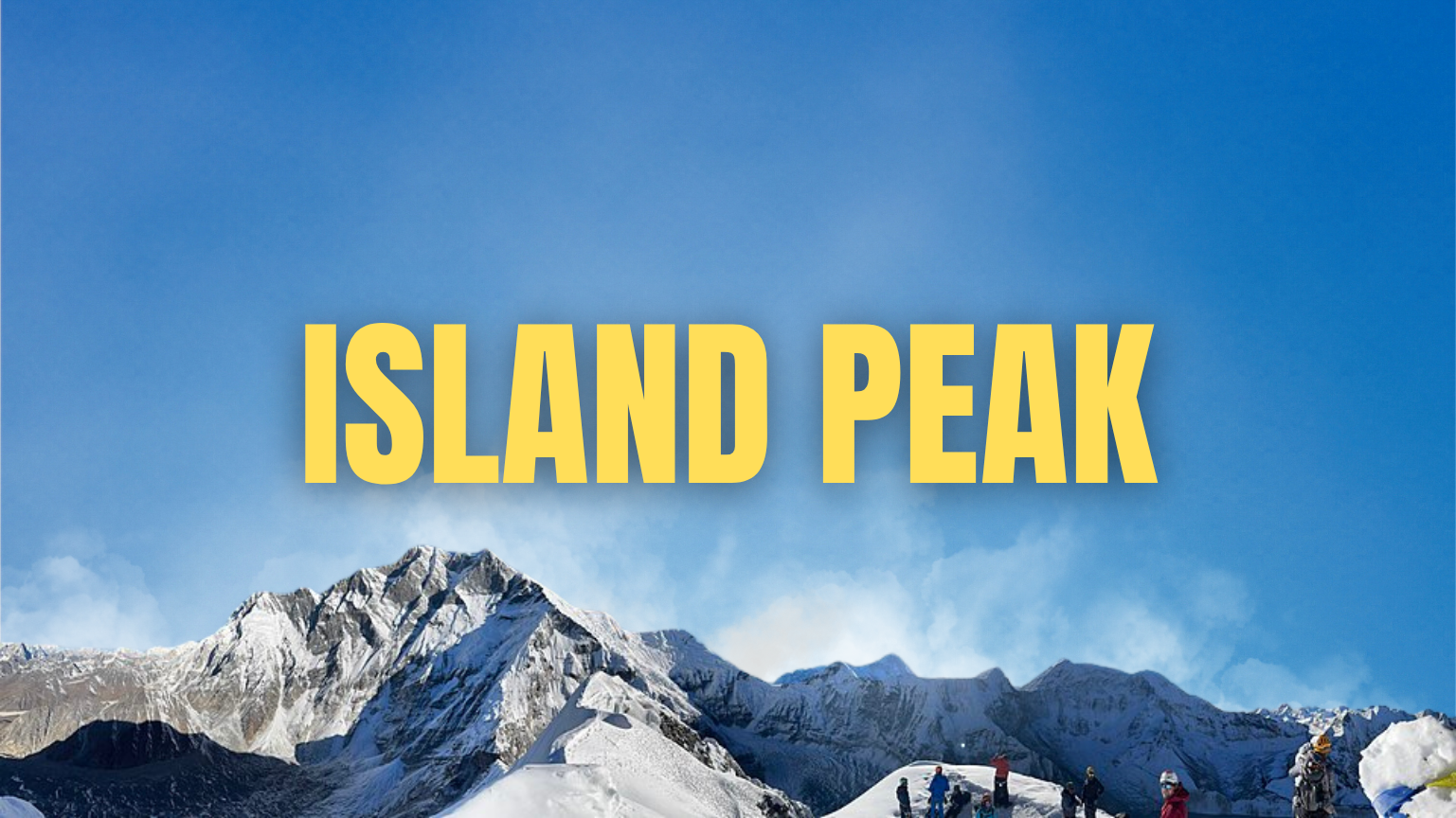

Island Peak
What is Island Peak ?
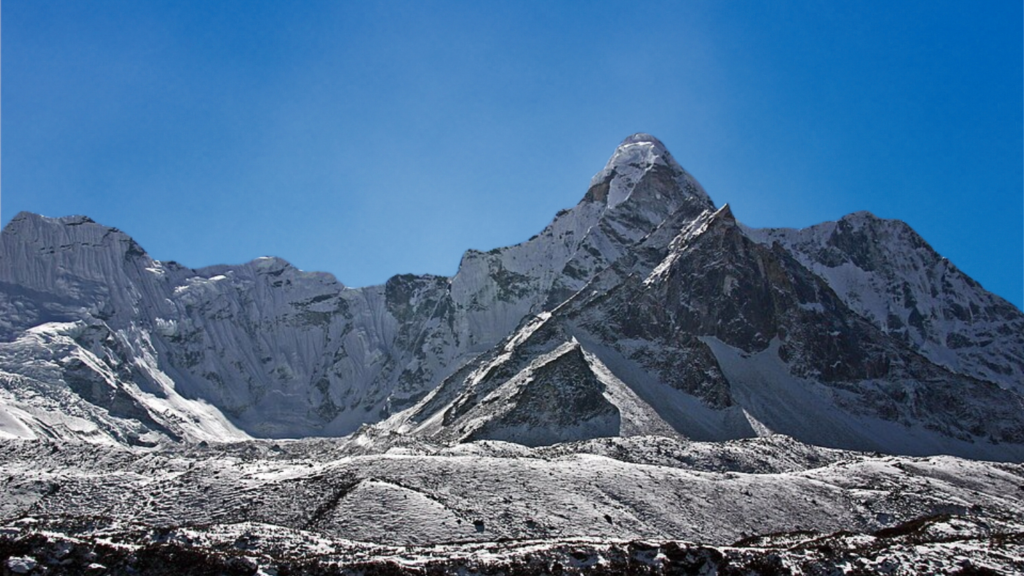
Why It Stands Out?
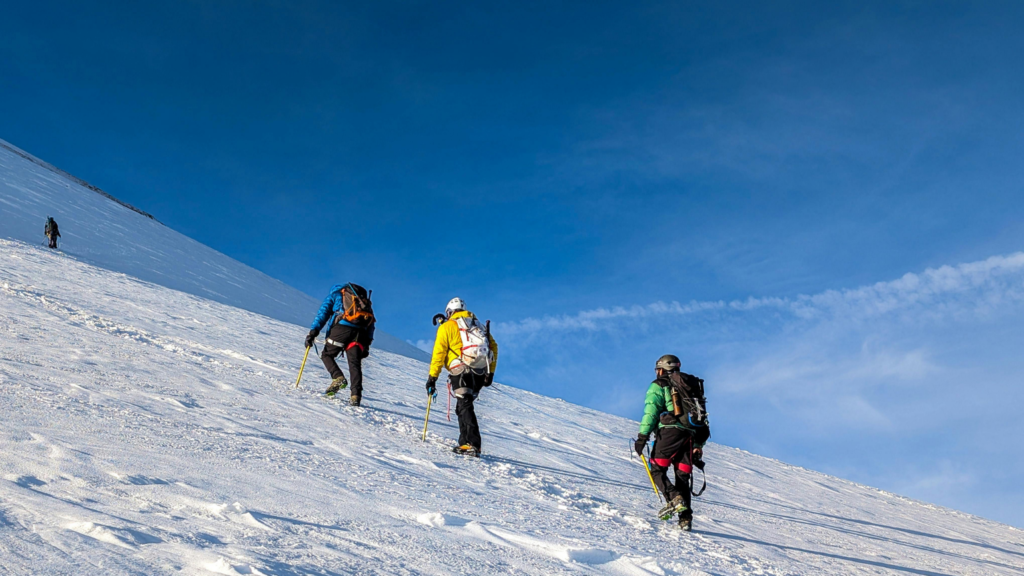
Island Peak Climbing Season.
Best Time to Climb Island Peak
During Spring season between March and May the weather be stable, the view is clear and beautiful. The day during this time and longer and warmer. Also, during this season, many people visit the Island Peak and is more crowded as compare to any other season.
During Autumn season between the month of September and October the area is less crowded as compared to Spring season. But the days are a bit shorter than spring and is slightly colder. But the main problem during this time is, the weather won’t be that open. But still, this is the season to summit Island Peak.
Island Peak Day-by-Day Itinerary
Day 1-2
Kathmandu to Lukla
Day 1-2
Days 3–4
Lukla to Dingboche
Days 3–4
Day 5
Acclimatization Day
Day 5
Day 6-7
Dingboche to Island Peak BC
Day 6-7
Day 8
Training Day at Base Camp
Day 8
Day 9
SUMMIT DAY (The Big One)
Day 9
Days 10–12
Dingboche to Island Peak BC
Days 10–12
Days 13
Departure / Explore Nepal
Days 13
What to Pack for Island Peak
Gear Checklist Clothing & Footwear
- Clothing
- Technical Climbing Gear
- Backpack & Bags
- Sleeping & Shelter
- Health & Altitude
- Electronics
- Miscellaneous
- 4-season mountaineering jacket (down, -20°C rated)
- Insulated climbing pants (not cotton jeans)
- Thermal base layers (merino wool or synthetic, 2–3 sets)
- Insulated boots (double-lined, rated for -15°C minimum)
- Gaiters (keep snow out of boots)
- Warm hat, balaclava, neck gaiter (exposed face = frostbite risk)
- Insulated gloves + liner gloves (you’ll swap for dexterity on ice)
- Wool socks (6–8 pairs)
- Crampons (fit to your boots in Kathmandu)
- Ice axe (rent, don’t buy)
- Climbing harness (usually provided by operator)
- Helmet (critical—provided by operator)
- Rope (provided by operator)
- Carabiners & belay devices (provided by operator)
- Summit pack (20–30L, lightweight for summit day)
- Main trek backpack (50–60L for 14 days)
- Dry bags (keep things dry in monsoon mist)
- 4-season sleeping bag (-15°C rated)
- Sleeping pad (foam or inflatable, adds insulation)
- Provided by operator in most cases
- Diamox (acetazolamide) – consult doctor before trip, helps prevent altitude sickness
- Ibuprofen & paracetamol – for headaches
- Lip balm & sunscreen SPF 50+ – high altitude = intense UV
- Blister kit – moleskin, tape, antiseptic
- Electrolyte powder – mix with water for hydration
- Headlamp (summit day starts at 2 AM)
- Extra batteries (cold drains batteries fast)
- Camera (phone works, but bring extras—batteries drain)
- Portable charger (limited power at lodges)
- Trekking poles (save your knees on descent)
- Toiletries (limited water at high altitude, bring wet wipes)
- Sunglasses + goggles (snow blindness is real)
- Snacks (energy bars, nuts, appetite decreases at altitude)